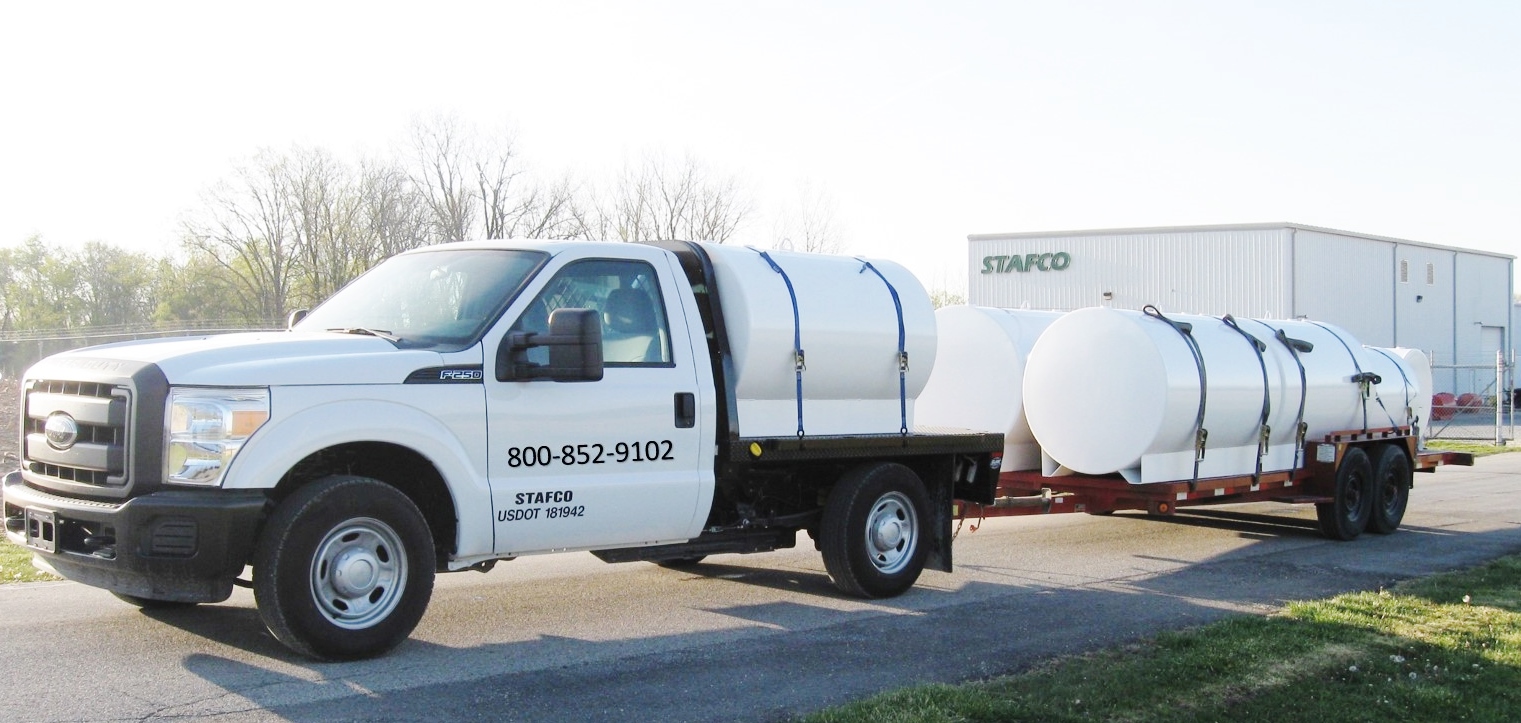
If you’re storing and transporting fuel or fluids on a jobsite, farm, or industrial facility, a skid tank is one of the most practical and versatile solutions available. But what exactly is a skid tank—and how do you choose the right one?
This guide breaks down everything you need to know, including common uses, available sizes, and key buying considerations.
What Is a Skid Tank?
A skid tank is a type of aboveground storage tank mounted on a steel base (or “skid”) that allows it to be easily moved using forklifts, cranes, or other equipment. Unlike permanently installed tanks, skid tanks are designed for mobility and convenience.
They are most commonly used for:
- Fuel storage (diesel, gasoline)
- Equipment refueling
- Temporary or remote jobsite operations
Skid tanks are typically single-wall steel tanks, though they can also be configured with pumps, hoses, and dispensing systems for turnkey fueling solutions.
Common Uses of Skid Tanks
Skid tanks are widely used across multiple industries due to their flexibility and portability.
1. Construction Sites
Construction crews rely on skid tanks to fuel equipment like excavators, skid steers, and generators directly on-site—saving time and increasing productivity.
2. Agriculture
Farmers use skid tanks to store diesel fuel for tractors, combines, and irrigation equipment, especially during planting and harvest seasons.
3. Fleet Fueling
Businesses with vehicle fleets use skid tanks for on-demand fueling, reducing trips to off-site fuel stations.
4. Emergency Backup Fuel
Skid tanks can serve as temporary fuel storage during emergencies or when permanent infrastructure is unavailable.
Skid Tank Sizes and Configurations
Skid tanks come in a range of sizes and configurations to fit different applications.
Typical Capacity Ranges
- Small Tanks: 250 – 500 gallons
- Mid-Size Tanks: 500 – 1,000 gallons
- Large Tanks: 1,000 – 2,000+ gallons
Common Features
- Steel construction for durability
- Integrated skid base for mobility
- Optional pump and dispensing systems
- Lockable fill caps and security features
- Forklift pockets or lifting lugs
Custom Options
Depending on your needs, skid tanks can be customized with:
- Electric or manual pumps
- Hose reels and meters
- Weather-resistant coatings
- Spill containment accessories
Key Buying Considerations
Choosing the right skid tank involves more than just selecting a size. Here are the most important factors to evaluate:
1. Capacity Requirements
Consider how much fuel you use daily or weekly. A larger tank reduces refill frequency but requires more space and upfront cost.
2. Mobility Needs
Will the tank stay in one place or move frequently? If mobility is critical, ensure the tank has:
- Reinforced skid base
- Forklift access
- Lifting lugs
3. Fuel Type
Make sure the tank is compatible with the fuel you plan to store (diesel, gasoline, etc.), as materials and fittings may vary.
4. Pumping and Dispensing
Decide whether you need a complete fueling system or just storage. Many skid tanks can be outfitted with:
- 12V or 115V pumps
- Flow meters
- Automatic shut-off nozzles
5. Compliance and Safety
Depending on your application and location, you may need to meet:
- Local fire codes
- Environmental regulations
- Industry standards (such as UL listings)
Always verify compliance requirements before purchasing.
6. Durability and Construction
Look for tanks built with high-quality steel and proper welding standards to ensure long-term reliability, especially in harsh environments.
Benefits of Skid Tanks
- Portability: Easily moved between job sites
- Efficiency: On-site fueling reduces downtime
- Flexibility: Adaptable to multiple industries and uses
- Cost Savings: Minimize fuel transport and labor costs
Is a Skid Tank Right for You?
A skid tank is an excellent choice if you need:
- Temporary or mobile fuel storage
- On-site equipment fueling
- A flexible alternative to permanent tanks
However, if your application requires long-term, code-regulated storage, you may want to explore double-wall or UL-listed tanks instead.
Final Thoughts
Skid tanks offer a practical, cost-effective solution for fuel storage and transport across a wide range of industries. By understanding your capacity needs, mobility requirements, and compliance obligations, you can select a tank that keeps your operation running efficiently and safely.
Want Help Choosing the Right Skid Tank?
At Steel Tank & Fabricating Corp (STAFCO), we specialize in high-quality skid tanks built for durability, safety, and performance. Contact our team today to find the right solution for your application.