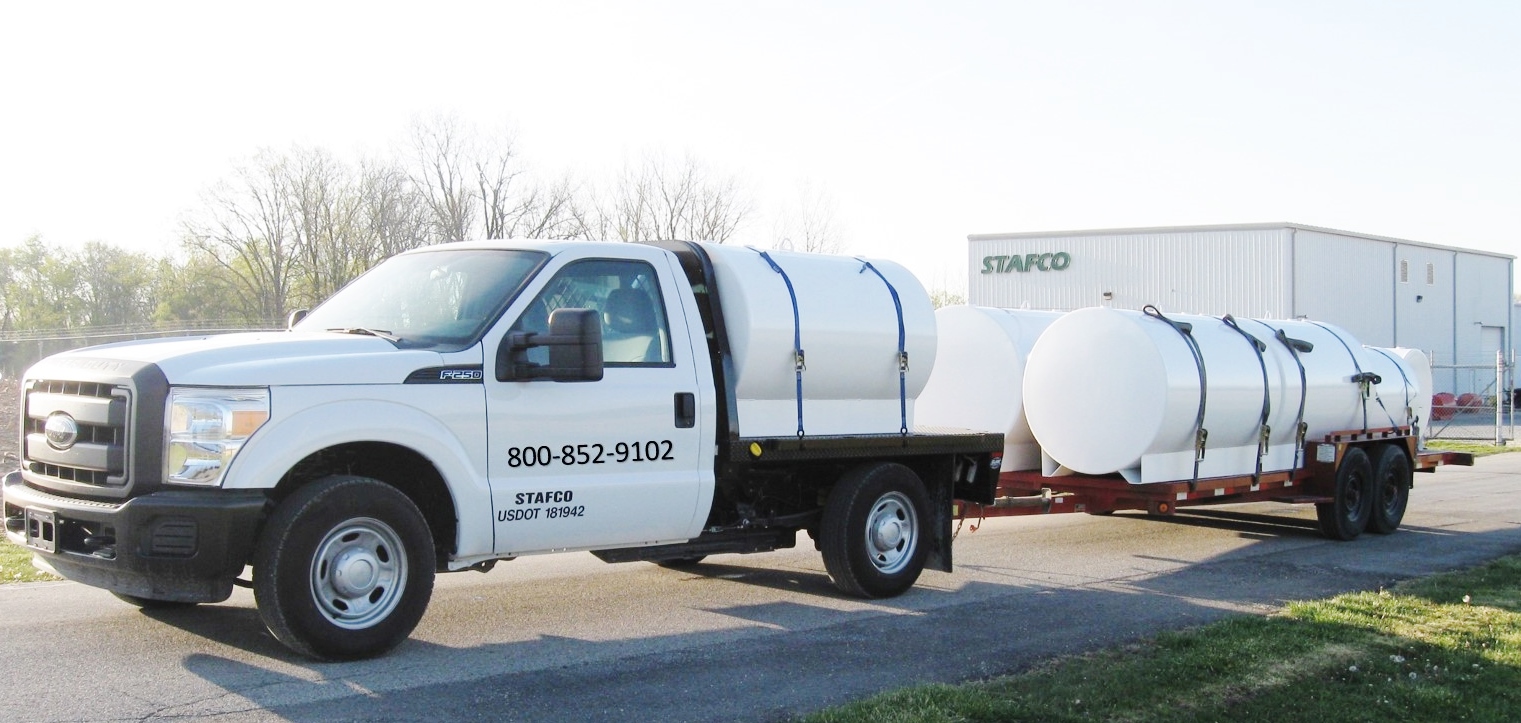
Aboveground Storage Tanks (ASTs) are a critical component in industries ranging from petroleum and agriculture to chemical processing and manufacturing. Whether you’re storing fuel, oil, or other liquids, understanding AST regulations, tank types, and best practices is essential for safety, compliance, and long-term performance.
This guide breaks down everything you need to know before selecting or managing an AST.
What Is an Aboveground Storage Tank (AST)?
An Aboveground Storage Tank (AST) is any tank used to store liquids above ground level, as opposed to underground storage tanks (USTs). ASTs are widely used because they are:
- Easier to inspect and maintain
- More cost-effective to install
- Less prone to undetected leaks compared to underground systems
They are commonly used to store:
- Diesel fuel
- Gasoline
- Oil and lubricants
- Chemicals and industrial liquids
AST Regulations: What You Need to Know
Compliance is one of the most important aspects of owning and operating an AST. Regulations can vary by location and application, but several key standards apply across the U.S.
1. EPA (Environmental Protection Agency)
The EPA regulates ASTs under the Spill Prevention, Control, and Countermeasure (SPCC) rule.
Key requirements include:
- Secondary containment systems
- Spill prevention plans
- Routine inspections and documentation
- Proper tank labeling and signage
2. Fire Codes (NFPA Standards)
The National Fire Protection Association (NFPA) provides fire safety standards, including:
- NFPA 30 – Flammable and Combustible Liquids Code
- Requirements for tank spacing, venting, and fire protection
3. UL Certifications
Underwriters Laboratories (UL) standards are critical for tank design and construction:
- UL-142 – Steel aboveground tanks for flammable/combustible liquids
- UL-2085 – Fire-resistant tanks (often required in high-risk areas)
UL-listed tanks are often required by local jurisdictions and insurance providers.
4. State & Local Regulations
In addition to federal standards, many states and municipalities have their own requirements for:
- Tank registration
- Permitting
- Setback distances
- Environmental protections
Always verify local codes before installation.
Types of Aboveground Storage Tanks
Choosing the right AST depends on your application, risk level, and compliance requirements.
1. Single-Wall Tanks
Overview:
Basic steel tanks with a single layer of containment.
Best for:
- Low-risk applications
- Temporary or controlled environments
Pros:
- Cost-effective
- Simple design
Cons:
- No built-in secondary containment
- May not meet stricter regulations
2. Double-Wall Tanks
Overview:
Two layers of steel with an interstitial space for leak detection.
Best for:
- Regulated environments
- Long-term fuel storage
Pros:
- Built-in secondary containment
- Enhanced environmental protection
Cons:
- Higher upfront cost
3. Fire-Rated Tanks (UL-2085 / Fireguard / Flameshield)
Overview:
Tanks designed to withstand fire exposure for a specified period.
Best for:
- Urban or high-risk areas
- Sites requiring fire code compliance
Pros:
- Increased safety
- Often eliminates need for additional containment
Cons:
- Higher cost
- Heavier and more complex
4. Vertical vs. Horizontal Tanks
Vertical Tanks:
- Space-efficient footprint
- Common in bulk storage facilities
Horizontal Tanks:
- Easier transport and installation
- Common for skid-mounted systems
Best Practices for AST Installation and Operation
Following best practices ensures your tank system remains safe, compliant, and efficient.
1. Proper Site Selection
- Install on a stable, level foundation
- Maintain required clearances from buildings and property lines
- Ensure accessibility for inspections and refueling
2. Secondary Containment
Even if not required, secondary containment is strongly recommended:
- Dikes or berms
- Double-wall tanks
- Spill containment pallets
3. Routine Inspections
Regular inspections help prevent costly failures:
- Check for corrosion, leaks, or damage
- Inspect vents, valves, and fittings
- Maintain inspection logs for compliance
4. Overfill Prevention
- Use alarms or automatic shutoff systems
- Train operators on proper filling procedures
5. Corrosion Protection
- Apply protective coatings
- Keep tanks elevated and dry
- Address rust or damage immediately
6. Documentation & Training
- Maintain SPCC plans and records
- Train employees on safety and emergency procedures
Choosing the Right AST for Your Application
When selecting an AST, consider:
- Capacity requirements
- Fuel or liquid type
- Regulatory environment
- Site conditions
- Long-term vs. temporary use
Working with an experienced manufacturer ensures you select a tank that meets both performance needs and compliance standards.
Final Thoughts
Aboveground Storage Tanks offer a safe, cost-effective solution for storing fuel and other liquids—but only when properly selected, installed, and maintained.
By understanding regulations, tank types, and best practices, you can protect your operation, ensure compliance, and extend the life of your investment.
Need Help Selecting the Right AST?
At Steel Tank & Fabricating Corp (STAFCO), we specialize in designing and manufacturing high-quality aboveground storage tanks that meet UL standards and industry regulations.
Contact our team today to find the right AST solution for your application.